
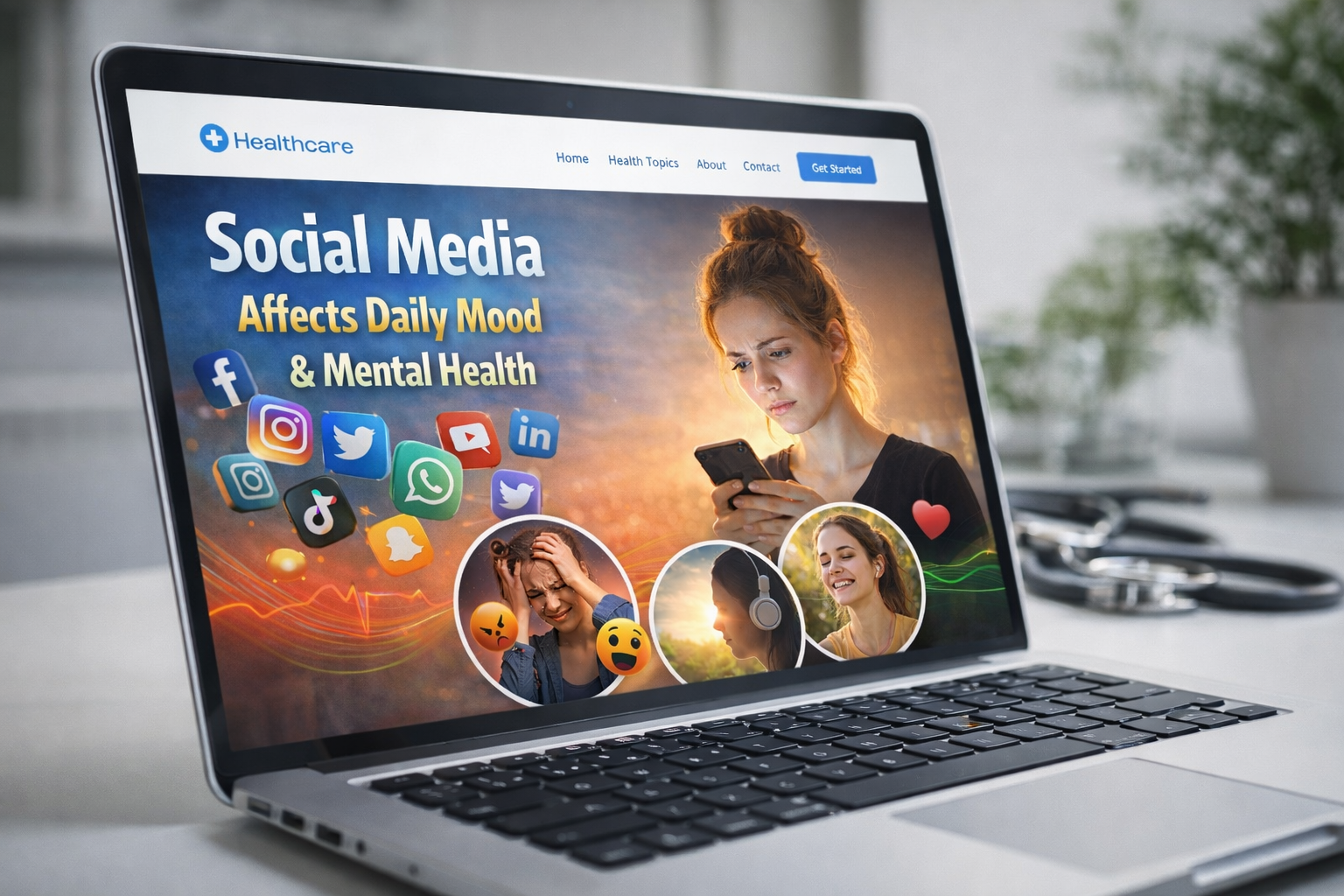
Social media plays a major role in modern life. From checking updates in the morning to scrolling before sleep, these platforms shape how we think, feel, and interact. While social media offers connection and entertainment, research and user experiences increasingly show a strong link between excessive social media use and mood and anxiety disorders.
Understanding how social media affects daily mood is important, especially for individuals already dealing with emotional stress, anxiety, or depression. This article explores the connection, risks, benefits, and practical ways to protect mental well-being in a digital world.
Understanding Mood and Anxiety Disorders
Mood disorders and anxiety disorders are common mental health conditions that affect emotional regulation, thinking patterns, and daily functioning.
Common Mood Disorders
- Depression
- Bipolar disorder
- Persistent depressive disorder
Symptoms may include low mood, loss of interest, emotional numbness, fatigue, or mood swings.
Common Anxiety Disorders
- Generalized anxiety disorder (GAD)
- Social anxiety disorder
- Panic disorder
Symptoms often include excessive worry, restlessness, fear, difficulty concentrating, and physical tension.
People with these conditions are more sensitive to emotional triggers, making digital environments especially impactful.
How Social Media Influences Daily Mood
Social media platforms are designed to capture attention. Likes, comments, and notifications activate dopamine a brain chemical linked to pleasure and reward. While this can create short-term happiness, it may also lead to emotional dependency.
Daily mood changes often occur due to:
- Constant comparison with others
- Validation-seeking behavior
- Exposure to emotionally intense content
- Rapid shifts between positive and negative posts
Over time, this emotional rollercoaster can contribute to mood instability and mental fatigue.
Social Media as a Trigger for Anxiety Disorders
For people with anxiety disorders, social media can intensify symptoms rather than relieve them.
Key Anxiety Triggers
- Fear of Missing Out (FOMO): Seeing others’ highlights can create stress and self-doubt
- Social comparison: Measuring self-worth based on online success
- Online judgment: Fear of comments, likes, or public opinions
- Negative news exposure: Constant access to distressing content
These factors can increase overthinking, worry, and emotional exhaustion.
Impact of Social Media on Depression and Low Mood
Social media often shows idealized versions of life, which can deepen feelings of inadequacy or sadness.
Potential effects include:
- Feeling disconnected despite frequent online interaction
- Reduced motivation and productivity
- Disrupted sleep due to late-night scrolling
- Emotional numbness or low self-esteem
For individuals with mood disorders, these effects may worsen symptoms and delay recovery.
Positive Effects of Social Media on Mental Health
Social media is not inherently harmful. When used intentionally, it can support emotional well-being.
Positive Aspects
- Mental health education and awareness
- Access to support groups and shared experiences
- Creative self-expression
- Reduced stigma around mood and anxiety disorders
The impact depends on how and how much social media is used.
Signs Social Media Is Affecting Your Mental Well-Being
You may need to reassess your social media habits if you notice:
- Mood drops after scrollin
- Increased anxiety or irritability
- Difficulty sleeping
- Constant need for validation
- Feeling overwhelmed or mentally drained
Awareness is the first step toward healthier digital habits.
Healthy Social Media Habits for Managing Mood and Anxiety Disorders
Creating boundaries with social media can help protect emotional health.
Practical Tips
- Set daily screen-time limits
- Avoid social media before bedtime
- Unfollow accounts that trigger stress or comparison
- Take regular digital detox breaks
- Focus on real-life connections and routines
- Seek professional support when emotional symptoms persist
Small changes can significantly improve mood and anxiety management.
Conclusion
Social media has a powerful influence on daily mood and emotional health. While it can offer connection and support, excessive or unhealthy use may worsen mood and anxiety disorders. By understanding its effects and practicing mindful habits, individuals can use social media as a supportive tool rather than a source of emotional strain.
Balanced usage, awareness, and self-care are key to maintaining mental well-being in a digital-first world.
FAQs: Mood and Anxiety Disorders
1. Can social media cause mood and anxiety disorders?
Social media alone does not cause mood and anxiety disorders, but excessive or negative use can worsen symptoms and increase emotional stress.
2. How does social media affect daily mood?
It can influence mood through comparison, emotional content, and information overload, leading to mood swings or anxiety.
3. Is social media harmful for people with anxiety disorders?
For some individuals, social media can act as a trigger by increasing social pressure, fear of judgment, and emotional overload.
4. Can reducing social media improve mental health?
Yes, many people report improved mood, better sleep, and reduced anxiety after limiting social media use.
5. What are healthy social media habits for managing mood and anxiety disorders?
Limiting screen time, curating content, practicing mindfulness, and prioritizing offline relationships help support emotional health.