
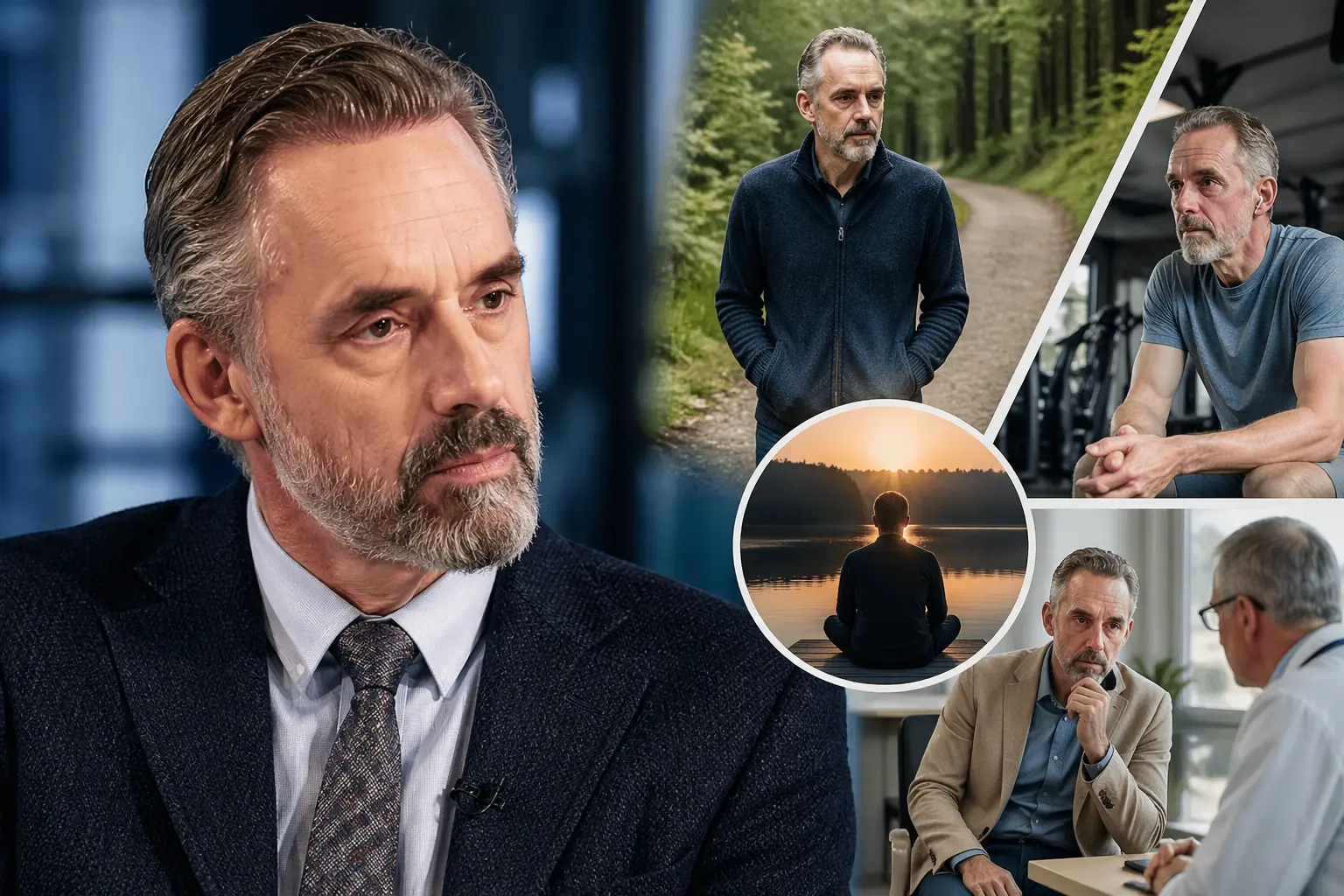
Public interest in Jordan Peterson health has grown significantly in 2026 as recent reports revealed that the well-known psychologist, author, and speaker is dealing with serious neurological complications. Many fans searching for “Jordan Peterson health update” want to understand what happened, how serious the condition is, and whether he is recovering.
According to recent updates shared by his daughter, Mikhaila Peterson, Peterson has been battling akathisia, a severe neurological condition associated with extreme inner restlessness and mental distress. She described the past year as “hell,” explaining that his symptoms worsened after a complicated health journey involving chronic inflammatory response syndrome (CIRS), pneumonia, and sepsis.
This update has sparked widespread concern across the USA, especially among those who have followed his work on psychology, personal responsibility, and mental health.
What Happened to Jordan Peterson?
The latest Jordan Peterson health update points to a difficult combination of medical issues rather than one isolated diagnosis.
Mikhaila Peterson revealed that her father is suffering from what she called a “psych-med-induced neurological injury,” with akathisia being one of the most serious symptoms. Akathisia is a movement disorder that creates a constant feeling of internal restlessness, making it difficult for a person to sit still or feel calm. It is commonly linked to certain psychiatric medications or withdrawal, though other neurological and medical causes may also contribute.
She also explained that symptoms became worse after Peterson was diagnosed with chronic inflammatory response syndrome (CIRS) in 2025, reportedly related to mold exposure. Soon after, he developed pneumonia and sepsis, which further complicated his recovery.
This combination created what many sources described as a life-threatening health crisis.
Understanding Akathisia and Why It Is Serious
Many people searching for “Jordan Peterson illness” are unfamiliar with akathisia.
Akathisia is not simply anxiety or stress. It is a neurological condition that creates intense agitation, physical discomfort, and an uncontrollable urge to move. Some people describe it as one of the most distressing experiences they have ever faced.
Symptoms may include:
- Severe inner restlessness
- Inability to sit still
- Constant pacing or movement
- Panic-like mental distress
- Sleep disruption
- Emotional exhaustion
Because symptoms can be confused with anxiety or depression, diagnosis is often delayed. This makes proper medical supervision extremely important.
For patients dealing with sleep disruption from stress-related conditions, many also explore solutions for insomnia treatment, including cognitive behavioral therapy for insomnia and physician-guided sleep support available through trusted online pharmacy resources like Texas Pharma Store.
Jordan Peterson’s Previous Health Struggles
This is not the first major health challenge for Jordan Peterson.
In earlier years, he publicly discussed his struggle with benzodiazepine dependence during a difficult family period, particularly while his wife was undergoing cancer treatment. His treatment journey became highly publicized, and he later underwent medical detox abroad.
Although current reports state he has not been on psychiatric medications for around six years, his family believes previous neurological injury may still be contributing to his present condition.
This long-term complexity helps explain why recovery has been slower than many expected.
Is Jordan Peterson Recovering in 2026?
The answer appears to be yes but slowly.
Reports suggest Peterson is in a prolonged recovery phase rather than facing an immediate emergency. While the most critical complications like pneumonia and sepsis were part of the earlier crisis, ongoing neurological symptoms continue to affect his quality of life.
His daughter has emphasized that the healing process is gradual and unpredictable. Public appearances have been reduced, and some scheduled events were reportedly impacted by uncertainty around his health and travel ability.
Fans continue to hope for steady improvement, but experts recognize that neurological recovery can take significant time.
Why This Health Story Matters
Jordan Peterson’s case has also started broader conversations around:
- medication-related neurological side effects
- chronic inflammation and immune dysfunction
- mold exposure and health concerns
- mental health awareness
- long-term recovery after severe illness
For many readers, this story is not only about a public figure but also about understanding complex health conditions that affect thousands of people quietly every day.
Sleep disorders, anxiety symptoms, and medication side effects often overlap. This is why people dealing with persistent insomnia, panic symptoms, or mood-related sleep problems should seek professional guidance rather than self-diagnosing.
If you are exploring doctor-approved options for sleep management, anxiety support, or prescription medications, reviewing reliable services like the insomnia support resources at Texas Pharma Store can help patients understand treatment pathways responsibly.
Mental Health, Sleep, and Recovery
One important part of recovery from neurological stress is sleep restoration.
Poor sleep often worsens anxiety, mood instability, and physical healing. Treatments like Cognitive Behavioral Therapy for Insomnia (CBT-I), improved sleep hygiene, and medically supervised prescription support may help improve long-term recovery.
Many people searching for:
- buy insomnia medication online
- safe anxiety treatment options
- best prescription sleep aid
- cognitive behavioral therapy for insomnia
are often looking for practical ways to improve daily functioning.
However, treatment should always begin with proper evaluation, not just symptom management.
Final Thoughts on Jordan Peterson Health Update
The latest Jordan Peterson health update in 2026 shows a serious but ongoing recovery journey. His battle with akathisia, chronic inflammatory response syndrome, pneumonia, and sepsis highlights how complicated neurological healing can be.
While public attention often focuses on headlines, the real story is one of long-term resilience, family support, and gradual recovery.
For fans, the message is hopeful: progress may be slow, but recovery is still possible.
For readers dealing with similar struggles whether insomnia, anxiety, or medication-related side effects the lesson is equally important: early support, proper diagnosis, and professional treatment matter. As awareness grows, stories like Peterson’s remind us that mental health and physical health are deeply connected and both deserve serious attention.