
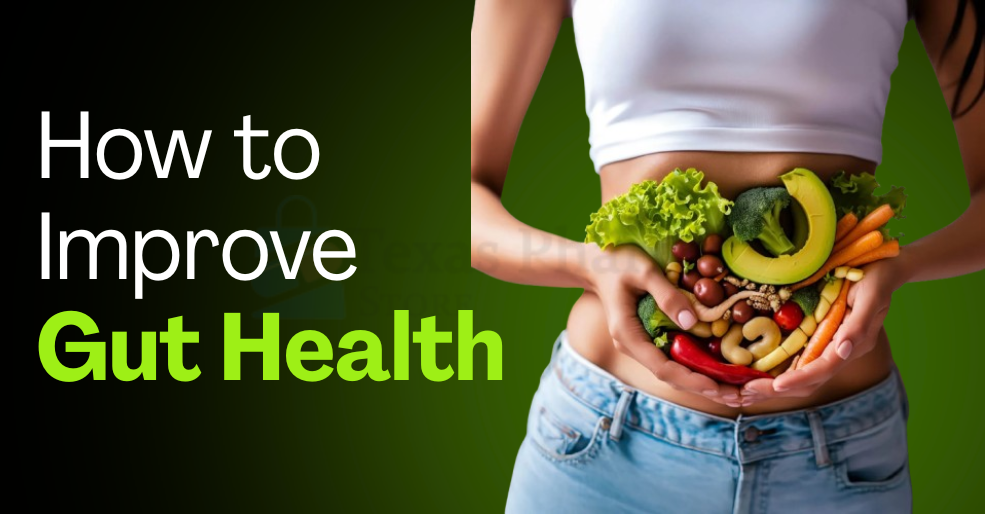
Gut health has become one of the most talked-about topics in wellness—and for good reason. Your gut does far more than digest food. It plays a vital role in immunity, mental health, metabolism, and even heart health. In the United States, digestive issues affect 60–70 million people every year, according to national health data, making gut health a growing public health concern.
This guide explains what guts health is, why it matters, and how to improve it naturally, using science-backed strategies tailored to modern American lifestyles.
What Is Gut Health?
Gut health refers to the balance and function of microorganisms living in your digestive tract—known as the gut microbiome. This microbiome contains trillions of bacteria, fungi, and viruses, many of which are beneficial.
A healthy gut:
- Efficiently digests food
- Absorbs nutrients properly
- Supports immune defence
- Communicates with the brain (gut–brain axis)
- Helps regulate inflammation
When the gut microbiome is disrupted, it can lead to digestive discomfort and long-term health issues.
Why Gut Health Is Important for Americans
In the U.S., gut health challenges are increasing due to:
- Highly processed diets
- Excess sugar intake
- Chronic stress
- Overuse of antibiotics
- Sedentary lifestyles
Poor gut health has been linked to:
- Bloating, gas, constipation, diarrheal
- Acid reflux and IBS
- Weakened immunity
- Mood disorders like anxiety and depression
- Obesity and metabolic issues
Improving guts health can positively impact both physical and mental well-being.
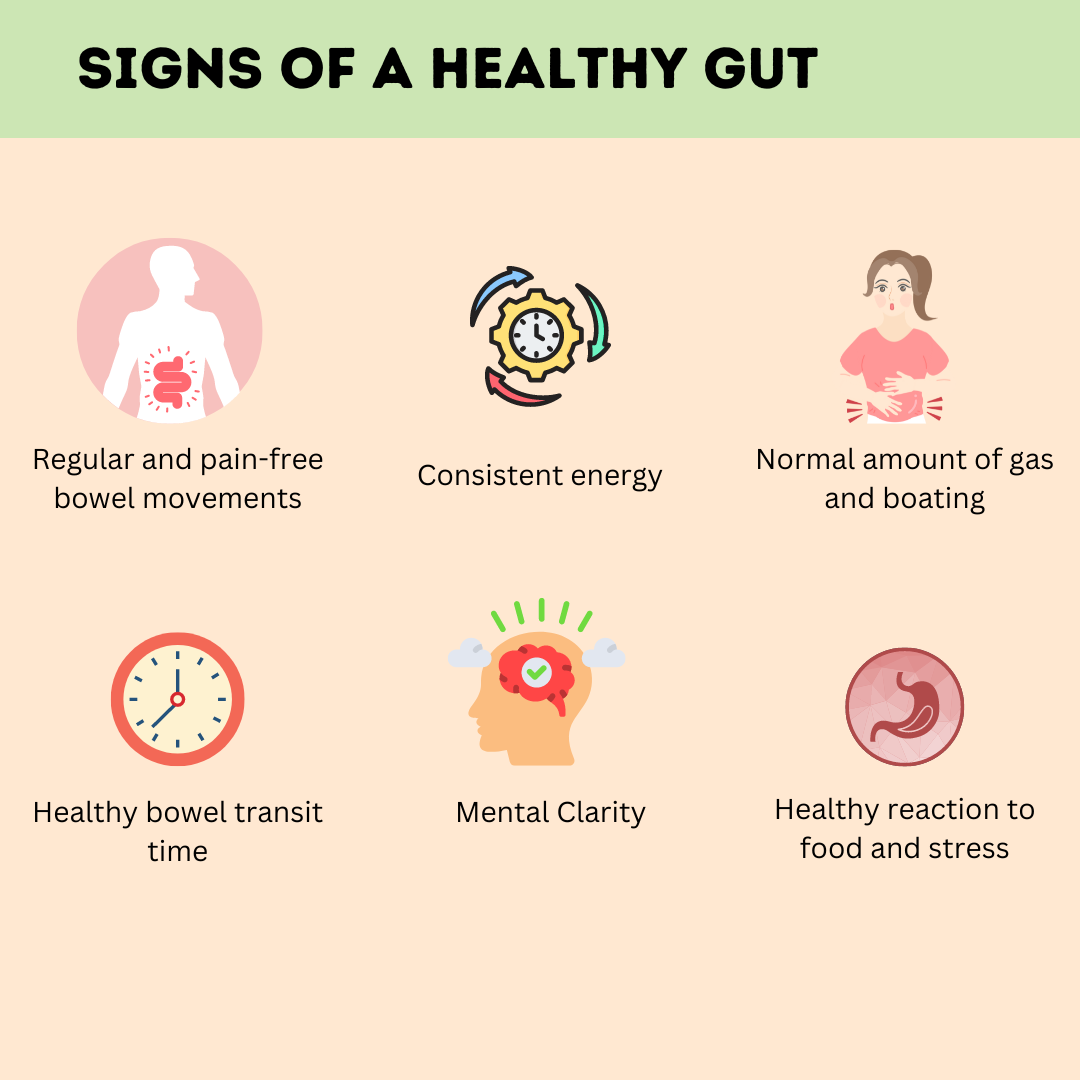
Signs of an Unhealthy Gut
Many people ignore early gut health’s symptoms. Common warning signs include:
- Frequent bloating or gas
- Irregular bowel movements
- Food sensitivities
- Fatigue or brain fog
- Skin issues like acne or eczema
- Frequent infections
- Cravings for sugar or processed foods
If these symptoms persist, improving gut health should be a priority.
How to Improve Gut’s Health Naturally
Eat a Fiber-Rich, Whole-Food Diet
Diet is the single most important factor affecting gut health’s.
High-fiber foods feed beneficial gut bacteria and improve digestion.
Best gut-friendly foods in the U.S.:
- Vegetables: broccoli, spinach, carrots, kale
- Fruits: apples, berries, bananas, oranges
- Whole grains: oats, brown rice, quinoa
- Legumes: lentils, chickpeas, black beans
- Nuts and seeds: almonds, chia seeds, flaxseed
Recommended fiber intake (USA):
- Men: ~38 grams/day
- Women: ~25 grams/day
Most Americans consume less than half of this amount.
Add Probiotic-Rich Foods
Probiotics are live beneficial bacteria that help restore gut balance.
Natural probiotic foods:
- Yogurt with live cultures
- Kefir
- Sauerkraut
- Kimchi
- Miso
- Tempeh
These foods can help improve digestion, reduce inflammation, and support immune health.
Include Prebiotics in Your Diet
Prebiotics are fibbers that feed probiotics.
Top prebiotic foods:
- Garlic
- Onions
- Leeks
- Asparagus
- Bananas (slightly unripe)
- Oats
Combining prebiotics + probiotics creates a powerful gut-healing effect.
Stay Hydrated
Water is essential for digestion and nutrient absorption.
Benefits of proper hydration:
- Prevents constipation
- Supports intestinal lining
- Helps beneficial bacteria thrive
General U.S. hydration guideline:
- Men: ~3.7 liters/day
- Women: ~2.7 liters/day (from all beverages and foods)
Manage Stress for Better Gut Health
The gut and brain are closely connected through the gut-brain axis.
Chronic stress can:
- Disrupt gut bacteria
- Increase inflammation
- Slow digestion
Effective stress-management techniques:
- Meditation
- Deep breathing
- Yoga
- Regular physical activity
- Adequate sleep
Even 10–15 minutes per day of relaxation can improve gut function.
Get Quality Sleep
Poor sleep alters gut bacteria composition.
Tips for gut-friendly sleep:
- Maintain consistent sleep times
- Avoid heavy meals before bedtime
- Reduce caffeine after 2 PM
- Limit screen exposure at night
Adults in the U.S. should aim for 7–9 hours of sleep per night.
Exercise Regularly
Physical activity increases microbial diversity in the gut.
Best exercises for gut health:
- Walking
- Cycling
- Swimming
- Strength training
- Light cardio
Even 30 minutes of moderate exercise, 5 days a week, can support digestive health.
Limit Processed Foods & Added Sugars
Ultra-processed foods harm beneficial gut bacteria and promote inflammation.
Reduce intake of:
- Sugary snacks and sodas
- Fast food
- Artificial sweeteners
- Refined carbohydrates
Instead, choose whole, minimally processed foods.
Use Antibiotics Responsibly
While antibiotics can be lifesaving, unnecessary use can destroy good gut bacteria.
Tips:
- Only use antibiotics when prescribed
- Support gut recovery with probiotics
- Focus on gut-healing foods post-treatment
Consider Supplements (When Needed)
Some people may benefit from supplements, especially if dietary intake is insufficient.
Common gut-support supplements:
- Probiotics
- Digestive enzymes
- Fiber supplements
- Omega-3 fatty acids
Always consult a healthcare professional before starting supplements.
Gut Health and Immunity
About 70% of the immune system resides in the gut.
A healthy gut:
- Reduces inflammation
- Improves immune response
- Helps protect against infections
This is especially important in the U.S., where seasonal illnesses and chronic conditions are common.
Gut Health Across Different Age Groups in the USA
Children
- Build gut health early with fibber-rich diets
- Avoid excessive antibiotics
Adults
- Balance work stress, diet, and exercise
Seniors
- Focus on digestion support and hydration
- Maintain microbial diversity through diet
How Long Does It Take to Improve Gut Health?
Positive changes can begin within:
- 3–7 days: Reduced bloating
- 2–4 weeks: Better digestion and energy
- 2–3 months: Long-term microbiome balance
Consistency is key.
Final Thoughts: Building a Healthy Gut for Life
Improving gut health is not about quick fixes it’s about sustainable lifestyle changes. For Americans navigating busy schedules, processed foods, and stress, small daily habits can make a powerful difference.
Key takeaways:
- Eat more fiber and whole foods
- Support beneficial bacteria with probiotics
- Manage stress and sleep
- Stay hydrated and active
A healthier gut supports better digestion, stronger immunity, improved mood, and long-term wellness.
Frequently Asked Questions (FAQs) About Gut Health
What is the fastest way to improve gut health?
The fastest way to improve gut health is to adjust your diet. Increasing fibber intake, adding probiotic-rich foods like yogurt and kefir, drinking more water, and reducing processed foods can show results within a few days to weeks. Managing stress and improving sleep also play a major role.
What foods are best for gut health in the USA?
Some of the best gut-friendly foods commonly available in the U.S. include:
- Greek yogurt with live cultures
- Oats and whole grains
- Apples, bananas, and berries
- Leafy greens like spinach and kale
- Beans, lentils, and chickpeas
- Fermented foods such as sauerkraut and kimchi
These foods help support beneficial gut bacteria and digestion.
Are probiotics necessary for good gut health?
Probiotics are helpful but not always necessary. Many people can maintain good gut healths through a balanced diet rich in fiber and fermented foods. However, probiotics may be beneficial after antibiotic use or for people with digestive issues. Always consult a healthcare provider before starting supplements.
How does gut health affect mental health?
Gut health and mental health are connected through the gut–brain axis. An unhealthy gut may contribute to anxiety, stress, and mood changes. A balanced gut microbiome supports the production of neurotransmitters like serotonin, which can positively influence mood and emotional well-being.
Can poor gut health cause fatigue?
Yes. Poor gut health can lead to nutrient malabsorption, inflammation, and imbalanced gut bacteria—all of which may contribute to chronic fatigue and low energy levels. Improving digestion often leads to better energy and focus.
How long does it take to heal the gut?
Gut healing timelines vary:
- Minor digestive issues: 1–3 weeks
- Moderate imbalance: 1–3 months
- Long-term gut disruption: 3–6 months or longer
Consistency with diet and lifestyle changes is key for lasting results.
Does drinking water improve gut health?
Yes. Drinking enough water helps:
- Prevent constipation
- Support digestion
- Maintain the gut lining
- Promote healthy bowel movements
Most adults in the USA benefit from drinking water consistently throughout the day.
Can stress really damage gut health’s?
Absolutely. Chronic stress can disrupt gut bacteria, increase inflammation, and slow digestion. Stress-management techniques like meditation, exercise, and proper sleep significantly improve gut health.
Is gut health linked to immunity?
Yes. Nearly 70% of the immune system is located in the gut. A healthy gut microbiome helps protect against infections, reduce inflammation, and strengthen immune response especially important for overall health in the U.S.
What are common signs of poor gut health?
Common signs include:
- Bloating or gas
- Constipation or diarrhea
- Acid reflux
- Food sensitivities
- Frequent illness
- Skin issues
- Brain fog
If symptoms persist, lifestyle and dietary changes are recommended.
Are antibiotics bad for gut health?
Antibiotics can disrupt both harmful and beneficial bacteria. While they are sometimes necessary, overuse can harm gut health’s. Supporting recovery with probiotics and fibber-rich foods after antibiotic use is important.
Can exercise improve gut health?
Yes. Regular physical activity increases gut bacterial diversity and supports digestion. Even moderate activities like walking for 30 minutes a day can positively impact gut health’s.
Is gut health important as you age?
Yes. As people age, gut bacteria diversity tends to decrease. Maintaining a healthy diet, staying hydrated, and staying active are especially important for gut health in older adults in the USA.
Can children have gut health problems?
Yes. Poor diet, frequent antibiotic use, and stress can affect children’s gut health. Encouraging fibber-rich foods and limiting processed snacks helps support healthy digestion from a young age.
Should I see a doctor for gut health issues?
If digestive symptoms are persistent, severe, or worsening, consulting a healthcare professional is recommended. Conditions like IBS, food intolerances, or chronic inflammation may require medical guidance.